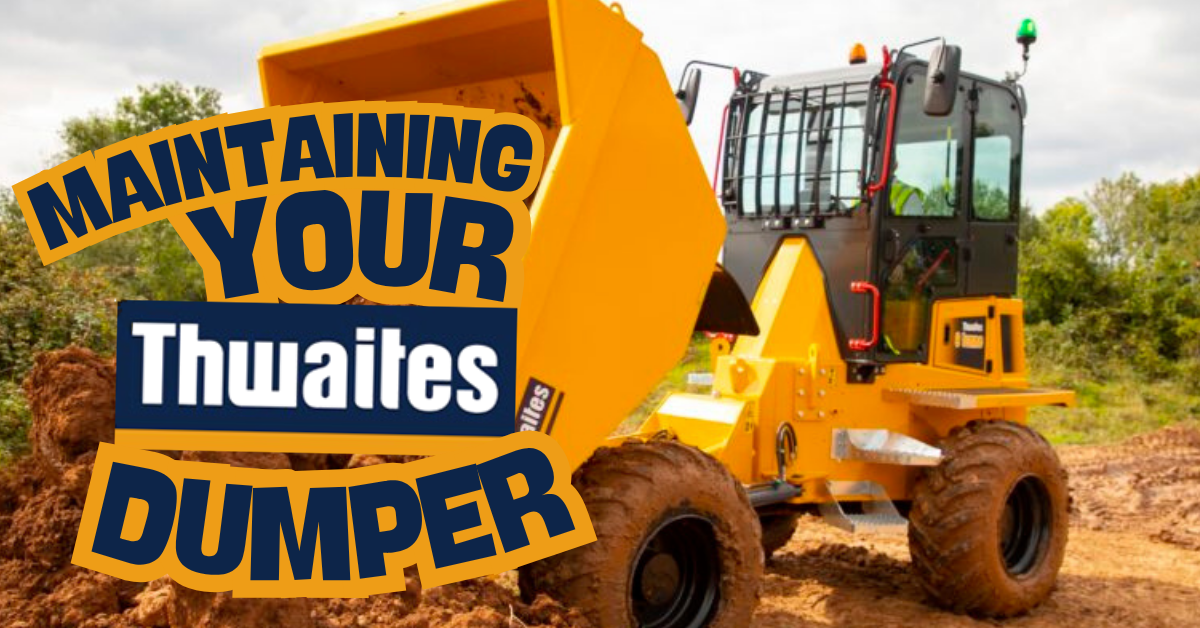
Construction equipment takes a beating every day, and site dumpers are no exception. Whether you operate a fleet or rely on a single machine for daily tasks, proper maintenance is essential for keeping your Thwaites dumper reliable, efficient, and safe on site.
Regular upkeep not only extends the life of your machine but also reduces downtime, lowers repair costs, and improves overall productivity. Below are some of the most important maintenance tips to help keep your dumper in top condition.
1. Carry Out Daily Walkaround Inspections
Before starting work each day, operators should perform a quick visual inspection of the dumper. This helps identify small issues before they become expensive repairs.
Check for:
- Oil or hydraulic leaks
- Damaged tyres or tracks
- Loose bolts or fittings
- Cracks in the chassis or skip
- Warning lights on the dashboard
A five-minute inspection can prevent hours of downtime later.
2. Keep Fluid Levels Topped Up
Site dumpers rely heavily on clean fluids to run properly. Engine oil, coolant, hydraulic oil, and fuel should all be checked regularly.
Low or dirty fluids can cause:
- Engine overheating
- Hydraulic failure
- Reduced performance
- Increased fuel consumption
Always use the manufacturer-recommended fluids and replace them at scheduled service intervals.
3. Maintain the Hydraulic System
The hydraulic system is one of the hardest-working parts of any dumper. If it fails, lifting and tipping operations can come to a halt immediately.
To keep the system healthy:
- Inspect hoses for cracks or wear
- Replace damaged seals quickly
- Keep hydraulic fluid clean
- Watch for slow or jerky tipping movements
Ignoring hydraulic issues can lead to major repair bills and unsafe operating conditions.
4. Check Tyres and Tyre Pressure
Tyres affect stability, traction, and fuel efficiency. Running with incorrect tyre pressure can increase wear and make the dumper less safe on uneven terrain.
Operators should:
- Inspect tyres for cuts and punctures
- Remove debris trapped in tread
- Maintain the correct pressure levels
- Replace excessively worn tyres promptly
Well-maintained tyres improve both performance and operator safety.
5. Clean the Machine Regularly
Construction sites are full of mud, dust, and debris that can build up around critical components. Regular cleaning makes it easier to spot damage and prevents dirt from affecting moving parts.
Pay close attention to:
- Radiators
- Air filters
- Engine compartments
- Hydraulic connections
A cleaner machine is often a more reliable machine.
6. Replace Filters on Schedule
Air, fuel, and hydraulic filters all play a vital role in protecting the engine and internal systems.
Blocked filters can lead to:
- Reduced engine performance
- Poor fuel economy
- Increased wear on components
Following the recommended replacement schedule helps maintain peak performance and extends machine life.
7. Train Operators Properly
Even the best-maintained dumper can suffer from poor operation. Aggressive driving, overloading, and incorrect tipping techniques all place unnecessary stress on the machine.
Proper operator training helps:
- Reduce wear and tear
- Improve fuel efficiency
- Lower accident risks
- Extend equipment lifespan
Experienced operators are one of the best investments any construction business can make.
8. Follow the Manufacturer’s Service Schedule
Routine servicing is critical for long-term reliability. Sticking to the recommended maintenance schedule ensures that potential issues are identified early.
Professional servicing should include:
- Engine diagnostics
- Brake inspections
- Hydraulic testing
- Fluid and filter replacement
- Electrical system checks
Keeping detailed service records can also improve resale value in the future.
A well-maintained dumper is safer, more efficient, and far less likely to suffer costly breakdowns. By following regular inspection routines and servicing schedules, operators can significantly extend the lifespan of their Thwaites dumper while keeping projects running smoothly.
Preventative maintenance may take a little time, but it pays off through improved reliability, reduced downtime, and lower operating costs over the long term.